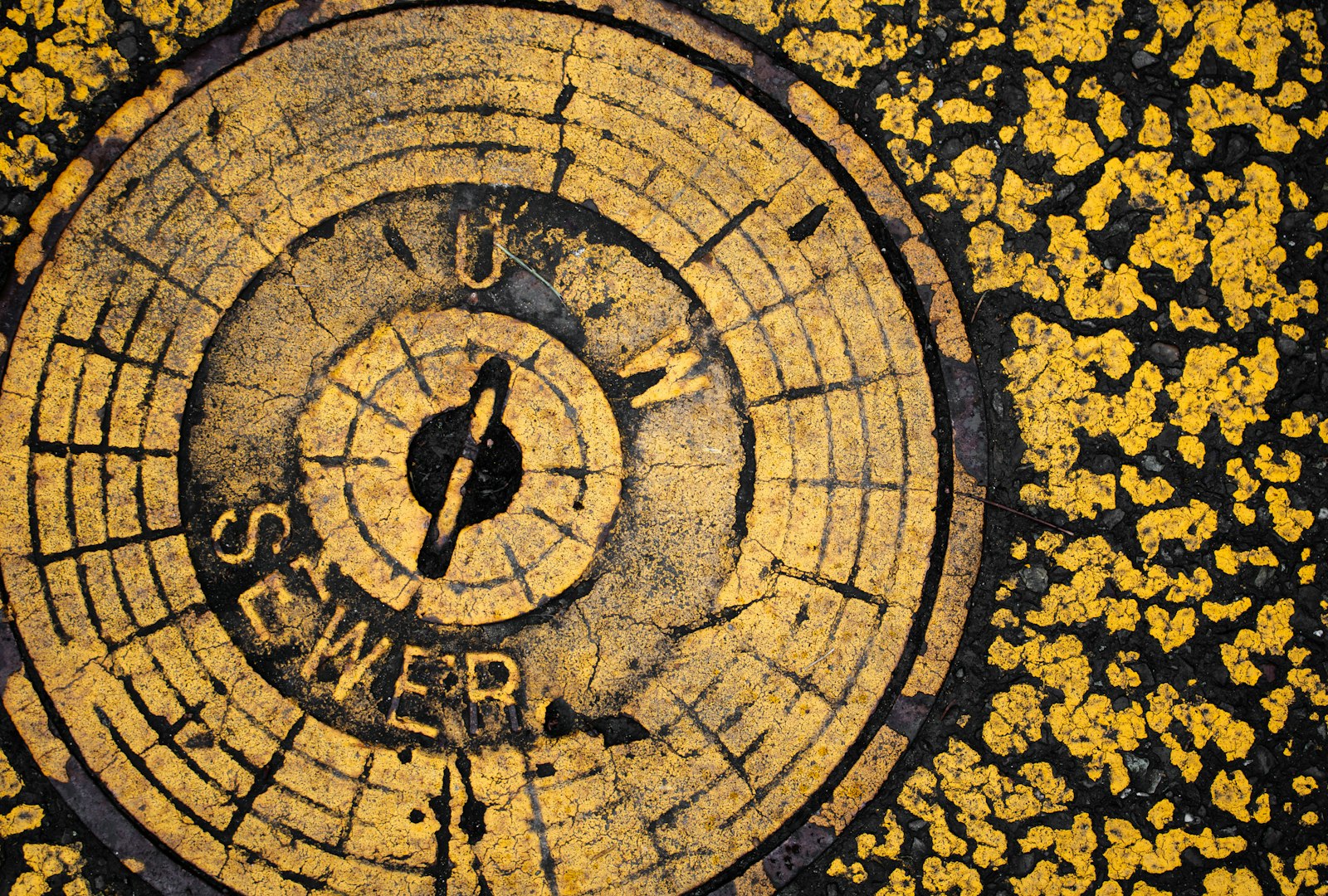
Surface finishing is essential in sheet metal fabrication, helping improve durability, appearance and corrosion resistance across a wide range of components. Here are five common processes.
Anodising
Anodising enhances the corrosion resistance of aluminium components while providing options for colour and surface texture. Type II anodising offers aesthetic and protective benefits, whereas Type III creates a harder, more wear-resistant layer.
Powder coating
Powder coating is widely used for creating durable, corrosion-resistant surfaces with a uniform appearance. Applied as a dry powder and cured under heat, it forms a hard finish suitable for enclosures, brackets and structural parts.
Zinc plating
Zinc plating is a thin, protective coating commonly applied to steel to guard against corrosion. Its minimal thickness makes it suitable for fasteners, brackets and small fittings where maintaining tight tolerances is essential.
Electropolishing
Electropolishing is used primarily for stainless steel to create a smooth, clean and corrosion-resistant surface. The process removes a small amount of material rather than adding a coating, making it suitable for precision assemblies. In applications involving customised finishes, some manufacturers explore commercial options available through services providers such as //dkmsheetmetal.co.uk/.
Wet painting
Wet paint is a flexible finishing option for complex shapes or parts requiring specific colours or textures. Although thinner than powder coatings, it still demands proper surface preparation to ensure good adhesion. It is frequently used for prototypes or components where aesthetic variety is required across production stages.
These finishing processes offer designers and engineers flexibility when specifying functional or aesthetic outcomes, supporting reliable performance across diverse industrial applications.